



Cattle Prices: Poised For Strength
By: Brett Crosby
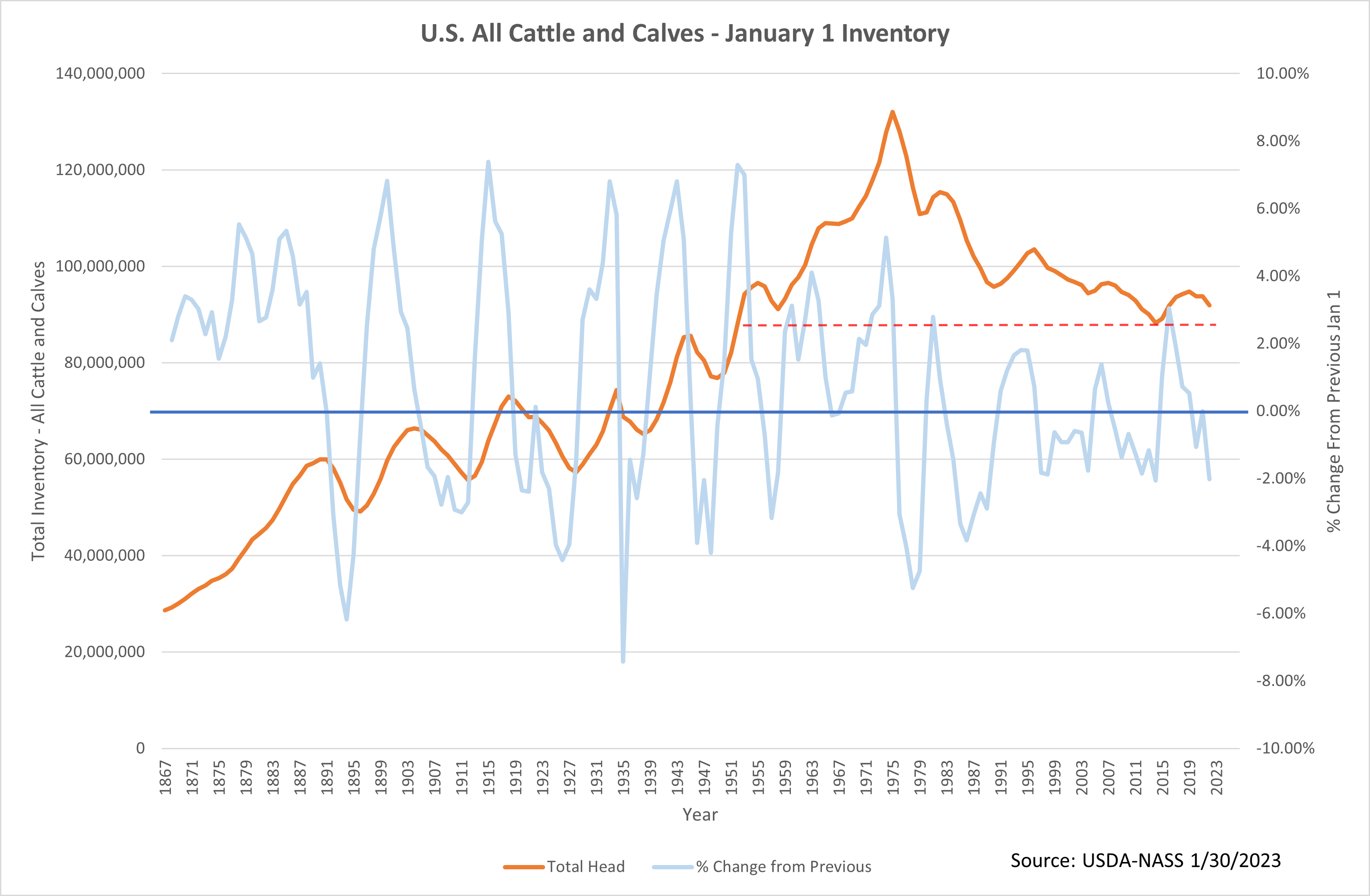
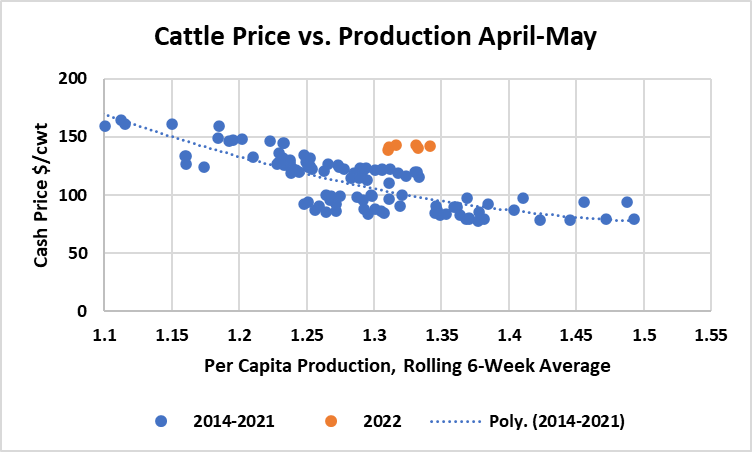
Cattle prices have reached historically high levels and appear poised to stay there for the foreseeable future. The domestic beef cow inventory numbers remain in decline, which leads to a smaller calf crop and tighter supplies for feedlots and packers. Slaughter weights, while historically high, cannot add enough supply to the market to make up for lower inventories. Further, demand is strong in both the domestic and export markets. Finally, there is no sign of heifer retention that would lead to herd rebuilding. This all points to high prices that will likely stay high for at least two more years.
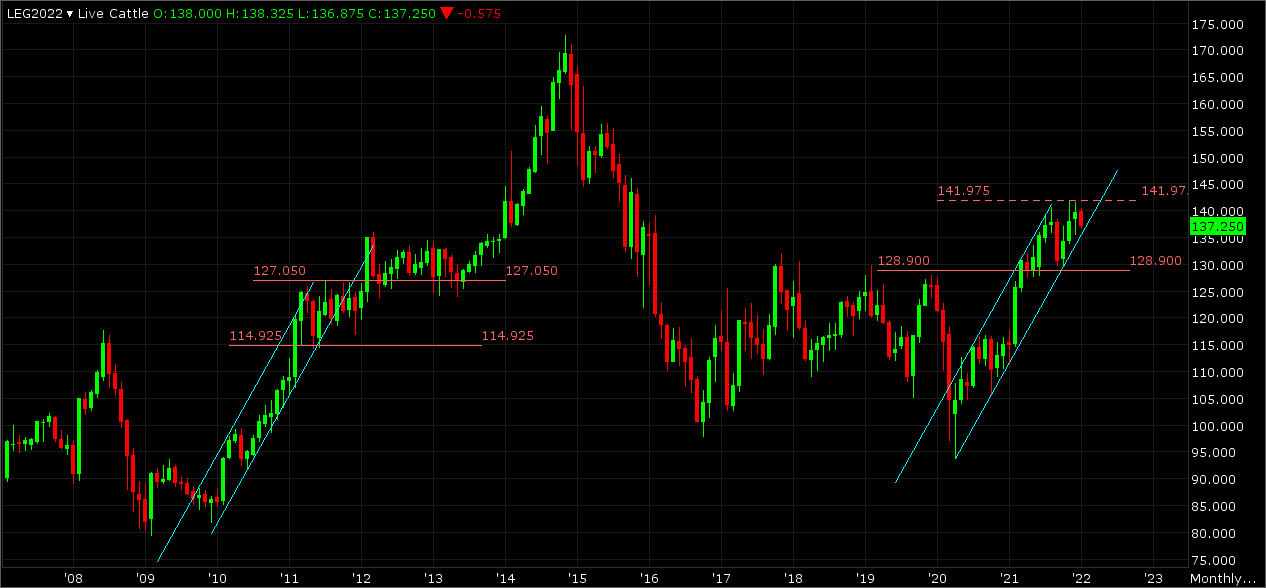
Cattle prices reached record levels in the last part of 2010 and have stayed there for most classes of cattle during the first half of 2011.

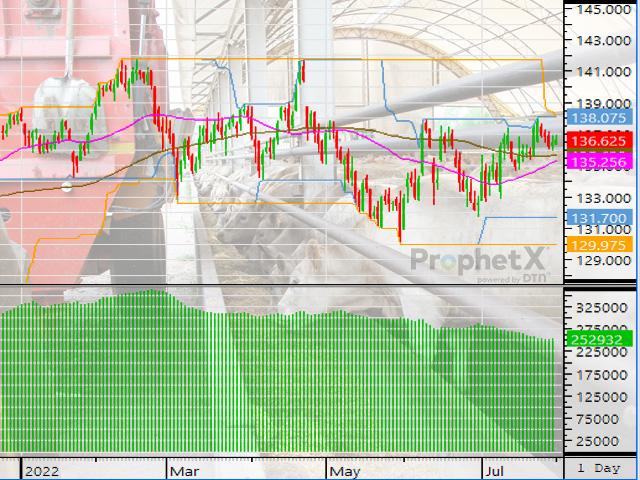
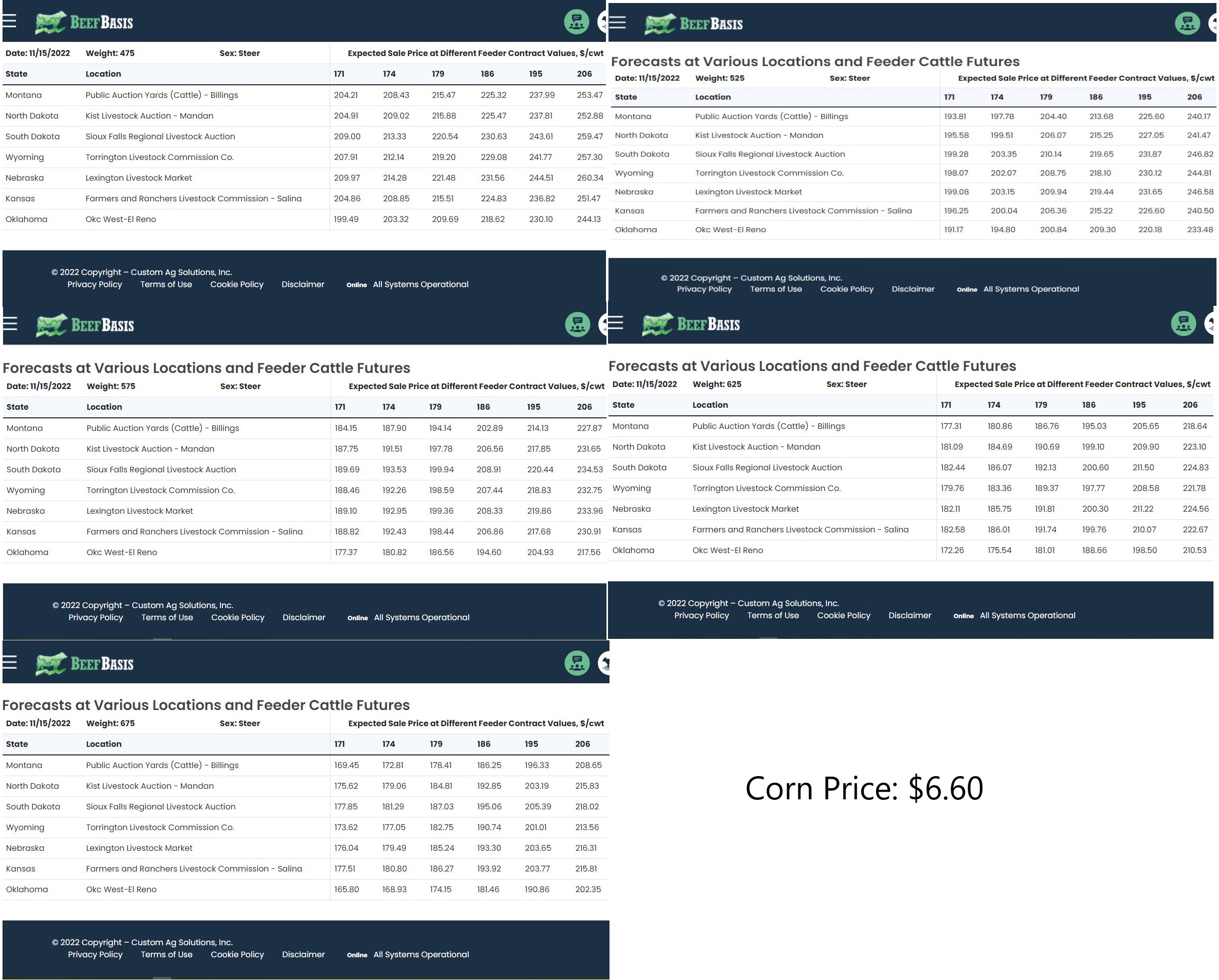
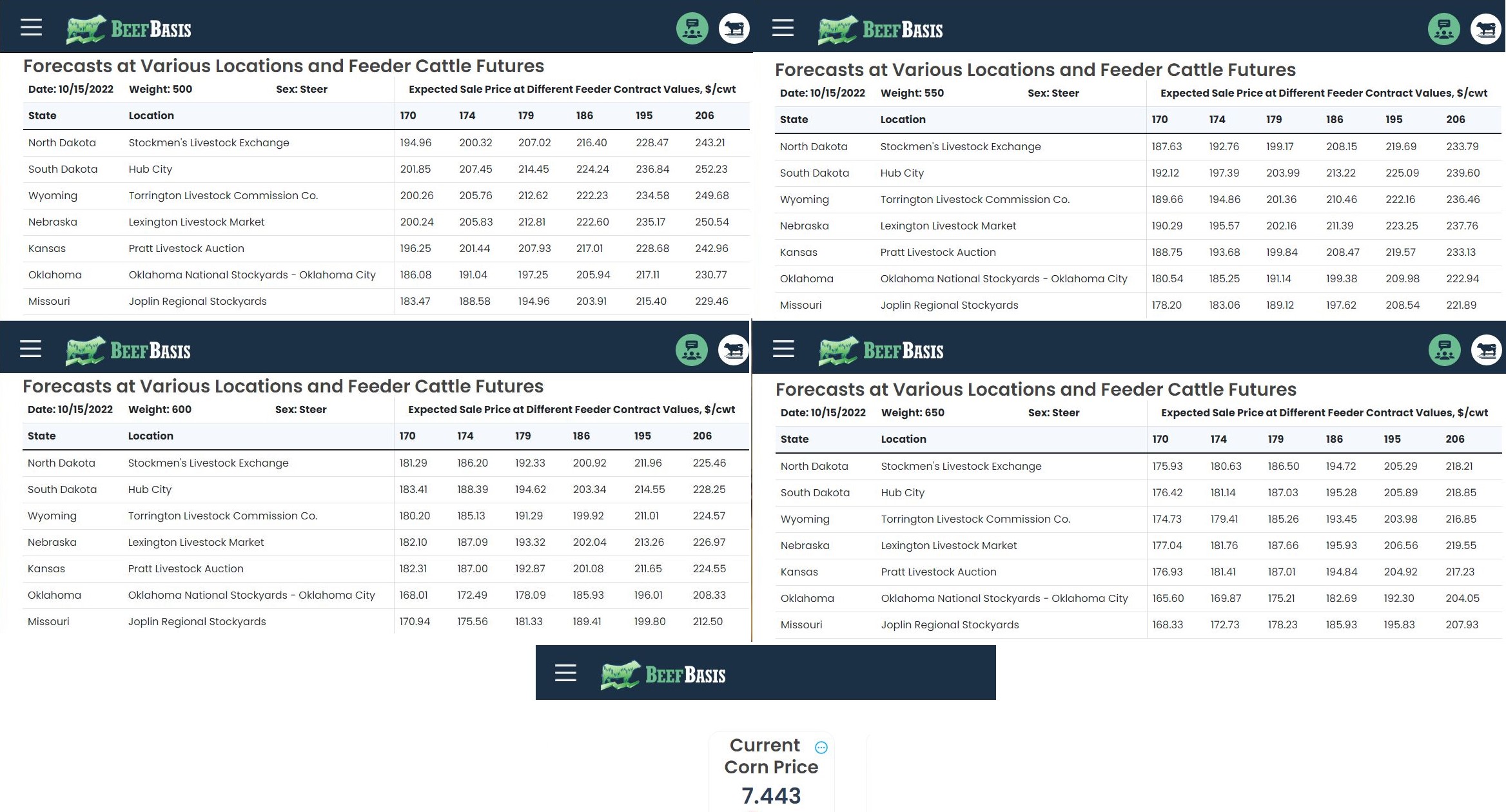
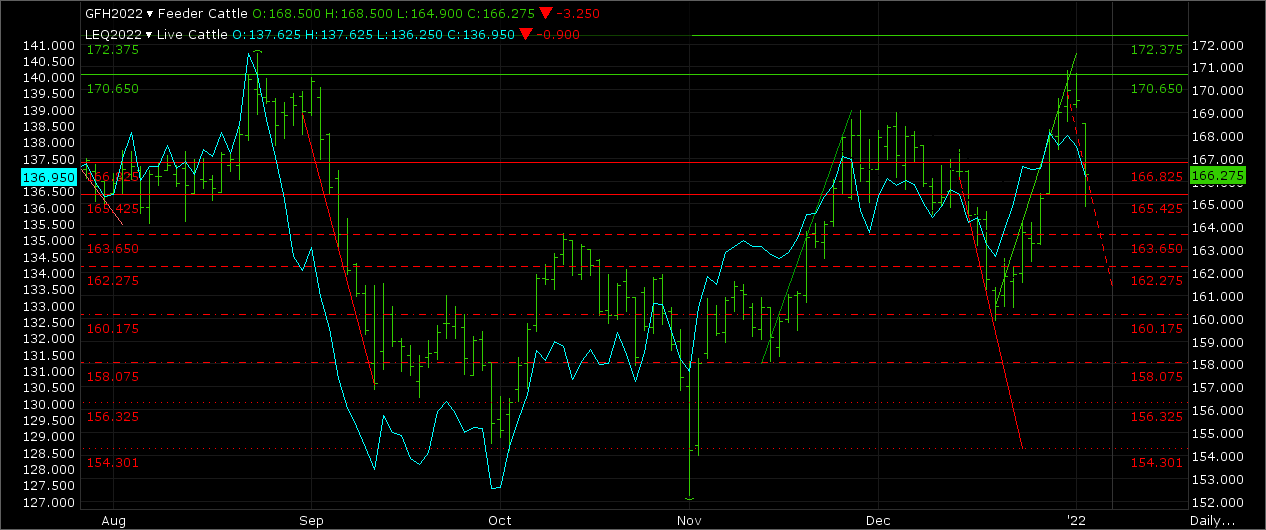
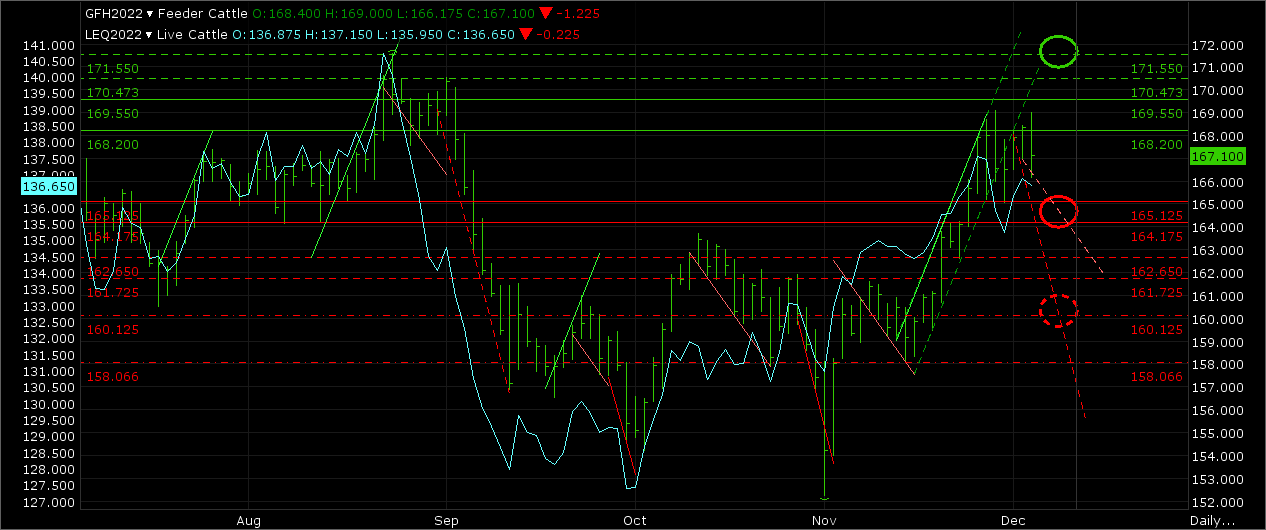
The nearby charts show that feeder cattle have held record levels, while live cattle have given back a little ground but continue to stay in record territory seasonally.
Healthy export demand, domestic consumers’ willingness to pay more for beef, and smaller cattle inventories, appear to be the primary drivers supporting cattle prices. U.S. beef exports continue to be strong and, barring a global economic slowdown similar to 2008, are well positioned to break the previous record for beef exports set in 2003.
Domestically, retail prices reached an all-time high in April, and remained at those levels through June, which reflects consumers who are willing to pay for beef. Moreover, less beef is being produced now relative to years past because domestic beef cattle numbers continue to decline.

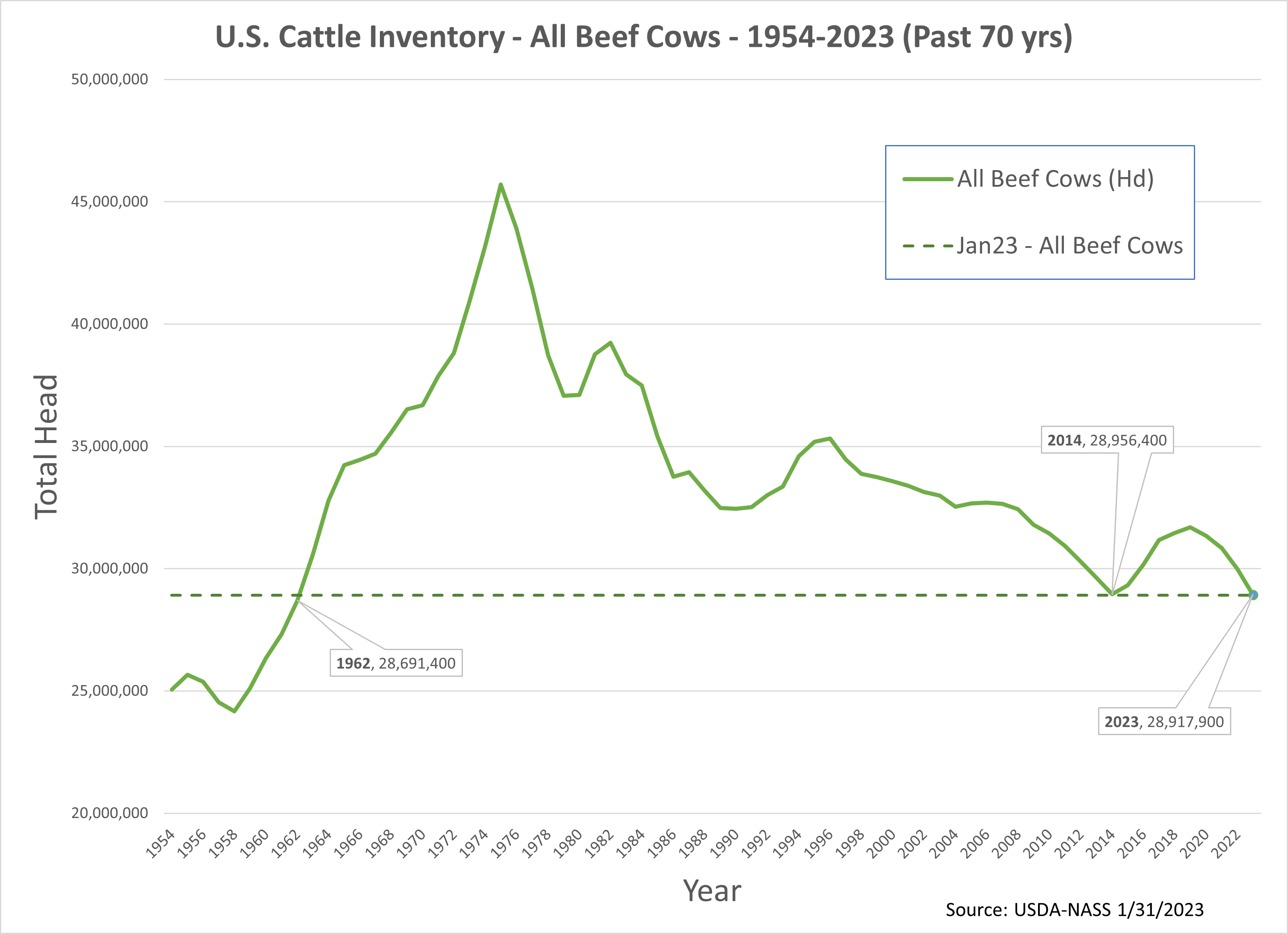
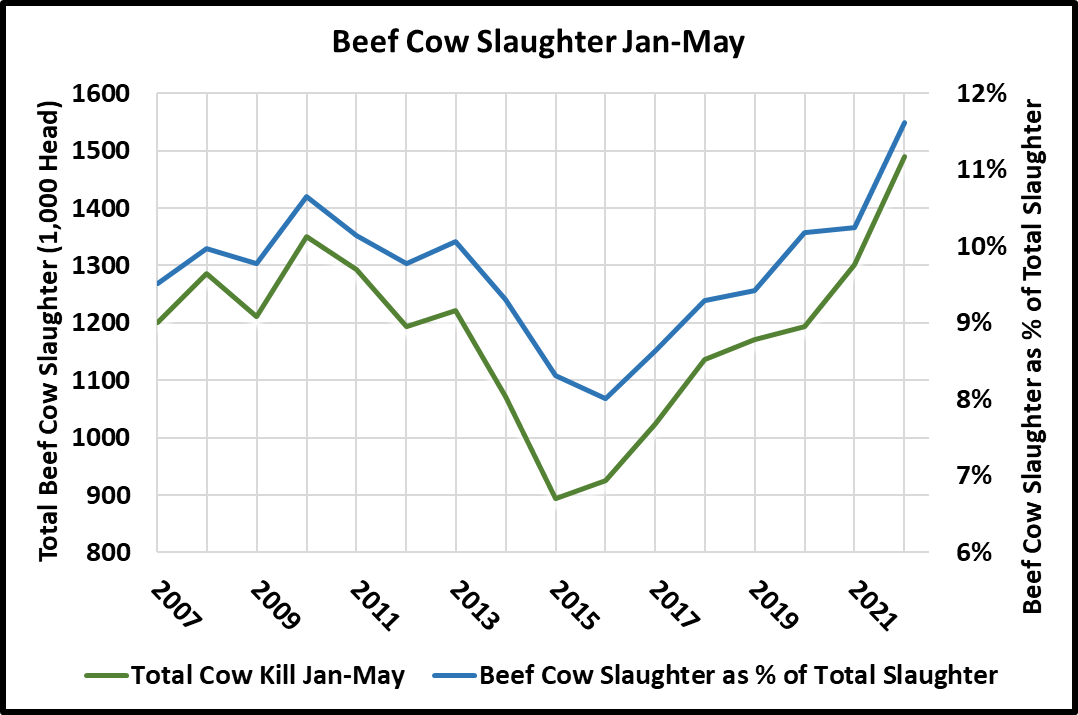
Domestic beef cows numbered less than 31 million head (30.86 million head) in January, 2011 for the first time in over 40 years. Foreign and domestic demand for U.S. beef, which has become more and more scarce, has kept packers offering attractive prices as they struggle to satisfy demand. Feedlots have likewise bid up feeder cattle in an effort to keep lots full. This has been good news for cow-calf producers, and the good news will likely continue for the foreseeable future, as there is no sign of herd expansion.
Historically, heifers retained for replacement have had to equal or exceed 18% of the total herd for the US beef cow herd to expand. If heifer retention falls below 17%, inventory usually falls the next year. This year’s estimate for heifers retained for replacements is 5.4 million, or 16.7% of the beef cow inventory, which suggests that the US beef cow herd will be even smaller in January, 2012.
A smaller inventory means a smaller calf crop, which points to higher prices for cow calf producers thru at least 2012, and possibly later. While this is good news for cattlemen, who have struggled to maintain profitability, they are keenly aware that higher production costs have accompanied higher prices. Thus, prudent managers should continue to monitor the market and look for opportunities to lock in profits. In subsequent articles we will consider the continuing importance of price risk management.